

Why Indian Schools Need GPS Bus Tracking Systems in 2026
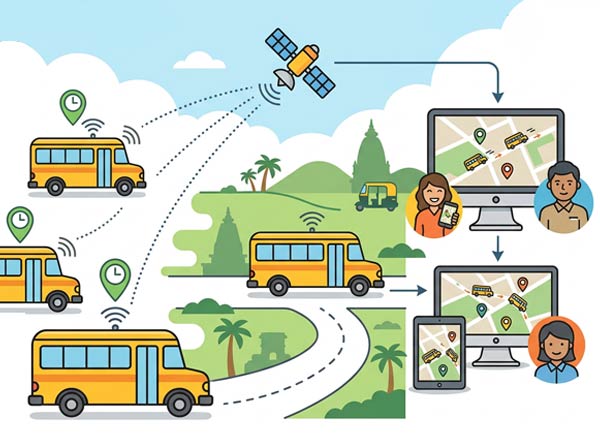
In 2026, managing the daily commute of millions of students across India’s congested cities and expanding towns remains one of the biggest operational and safety challenges for educational institutions. With traffic chaos, unpredictable delays, and rising parental expectations for transparency, traditional methods of school transport, reliant on phone calls and manual logs are no longer sufficient. This is where a robust school transport management system powered by GPS technology becomes essential.
The Persistent Safety Crisis in School Transportation
India is home to over 500 million children under the age of 18 years (Census, 2011). Road crashes are the leading cause of deaths and unintentional injuries amongst children, making them one of the most high-risk vulnerable sections of the population on Indian roads. Children are exposed to the risk of road crashes on multiple occasions while commuting to schools – in school affiliated vehicles, in private vehicles, as pedestrians, and on public transport. ~ 2025 IJRTI | Volume 10, Issue 5 May 2025 | ISSN: 2456-3315
As evident from this above fact, India’s school transport sector continues to face serious safety concerns even in the modern era. Road accidents involving children remain alarmingly common, often caused by rash driving, distracted operators, unauthorised route deviations, overloading, or delayed emergency responses. According to government data, thousands of children lose their lives every year in road crashes, with a significant number occurring during school commutes or near educational institutions.
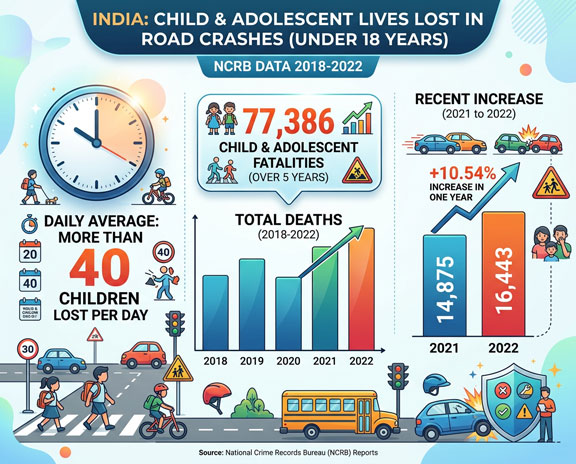
Source: www.ceeindia.org
The Government of India is also committed to the UN General Assembly Resolution on Improving Global Road Safety with a target to reduce road deaths and serious injuries by 50 per cent by the end of 2030. ~ www.ceeindia.org
Even with long-standing Supreme Court guidelines, which mandate licensed drivers, trained adult attendants, first-aid kits, fire extinguishers, horizontal window grills, and clearly marked yellow school buses with “School Bus” and “On School Duty” signage, enforcement gaps continue to exist across many states.
In response, regulatory bodies have stepped up. The Central Board of Secondary Education (CBSE) already mandates GPS tracking for affiliated schools, while states like Maharashtra have proposed stricter 2026 rules requiring GPS-based Vehicle Location Tracking Devices (VLTD), panic buttons, CCTV, and real-time digital monitoring in all school vehicles. These developments signal a clear shift: live school transport tracking is moving from a luxury to a compliance necessity.
As a result, schools across the country are increasingly turning to advanced school vehicle tracking solutions to ensure student safety, optimize operations, and build trust with parents. A comprehensive transport management software for schools not only provides live school transport tracking but also integrates multiple features like automated alerts, route optimization, and driver monitoring into one seamless platform.
Key Benefits of Implementing a School Transport Management System
-
Enhanced Student Safety and Rapid Emergency Response
With school vehicle tracking, administrators and parents can monitor bus movements continuously. In case of breakdowns, accidents, or unauthorized deviations, precise GPS coordinates enable faster response from authorities or school teams. Features like geofencing trigger instant alerts when a bus enters or exits designated zones, while panic buttons provide immediate distress signals. Driver behavior monitoring, including speed, harsh braking, and route adherence, further reduces risks.
-
Real-Time Transparency for Parents
Live school transport tracking via a dedicated mobile app eliminates anxious waiting. Parents receive automated notifications for boarding, deboarding, estimated arrival times (ETA), and any delays due to traffic or weather. RFID or smart card integration automates attendance on the bus, preventing mix-ups or missed stops. This level of visibility significantly reduces parental stress and strengthens school-parent relationships.
-
Operational Efficiency and Cost Savings
A good transport management software for schools uses AI-powered route optimization to analyze traffic patterns, historical data, and stop sequences. This results in shorter travel times, reduced fuel consumption (often by 15-25%), and lower maintenance costs through better vehicle utilization. Schools can also monitor idle time, prevent unauthorized usage, and generate insightful reports on fleet performance.
-
Improved Accountability and Compliance
GPS systems create a digital audit trail of every trip, driver performance, and student movement. This helps schools meet government mandates, document incidents for insurance or legal purposes, and coach drivers based on data rather than complaints. Reduced manual intervention also minimizes errors and administrative workload.
-
Better Communication and Planning
Instead of reactive phone calls, transport teams can proactively notify stakeholders about changes. Integrated dashboards in transport management software for schools allow centralized oversight of the entire fleet, making it easier to adjust routes, assign vehicles, or handle last-minute changes.
Why 2026 Is the Right Time for Adopting School Transport Management System
According to a comprehensive study conducted in Hyderabad involving 5,842 school children, it was found that:
- 57% of children walked to school,
- 6% cycled,
- while 36% used motorised transport, primarily school buses.
The study further revealed that motorised transport usage was significantly higher in private schools (41%) compared to government schools (24%).
On average, children travelled just 2 km to school, with 69% living within 2 km and 90% within 5 km.
This data highlights an important reality: Even though a large proportion of Indian children still use active modes like walking, a substantial and growing number, especially in private schools, depend on school buses for their daily commute. As urban distances increase and more parents opt for private schooling, the reliance on organised school transport continues to rise.
Moreover, availability of affordable, cloud-based solutions with minimal upfront hardware costs (many operate on OpEx models). Schools that adopt a comprehensive school transport management system early will gain a competitive edge, not just in safety and efficiency, but also in reputation and parent satisfaction.
The Future of School Transportation in India
The future of school commuting in India lies in smart, connected transport ecosystems powered by GPS, IoT, AI, and cloud technology. In 2026, schools are moving beyond basic tracking to build intelligent, proactive, and highly secure transportation networks that prioritize student safety while delivering operational excellence.
Emerging trends that are reshaping school transport include:
AI-based Route Optimization
Advanced algorithms analyze real-time traffic data, weather conditions, historical patterns, and student stop locations to create dynamic, fuel-efficient routes. This reduces travel time, lowers fuel costs by 15-25%, minimizes delays, and avoids congestion hotspots — especially critical in crowded Indian cities.
Predictive Maintenance
IoT sensors continuously monitor vehicle health parameters such as engine performance, tyre pressure, and brake conditions. The system predicts potential breakdowns before they occur, enabling timely servicing and reducing unexpected downtime and repair costs.
Integrated School ERP Systems
Modern transport management software for schools seamlessly integrates with existing school ERP platforms. This creates a single dashboard for administrators to manage attendance, fees, academics, and transport operations together, eliminating data silos and improving overall efficiency.
Smart Alerts and Automation
From automated boarding/deboarding notifications and geofence-based alerts to driver behavior monitoring and emergency SOS, everything is automated. Parents receive instant WhatsApp or app notifications for ETA changes, delays, or safe arrival.
Additional forward-looking trends gaining traction in 2026:
- RFID + GPS Integration: RFID + GPS Integration for fully automated student attendance on the bus (no manual checking required). This system automatically records when a student boards or alights and sends instant notifications to parents and schools. India is currently developing a national RFID-based school bus tracking framework that combines RFID tags, GPS, and IoT for real-time monitoring.
- AI-powered 4G Cameras: AI-powered 4G Cameras with driver drowsiness detection, cabin monitoring, and video evidence for incidents. These intelligent cameras provide real-time alerts to prevent accidents caused by fatigue or distraction while recording footage for safety audits.
- National-level Standardization: India is actively working towards a unified IoT-based school bus tracking framework that combines RFID, GPS, and real-time data sharing. Several states, including Maharashtra, have proposed mandatory GPS tracking, CCTV, and digital monitoring systems for all school vehicles in 2026.
Choosing the Right Solution
When selecting a system, look for reliable live school transport tracking with frequent GPS updates, user-friendly parent and admin apps, automated alerts, AI route planning, and strong data security. Integration with existing school management platforms adds further value.
The goal is not merely installing a tracking device but implementing a holistic transport management software for schools that transforms daily commuting into a safe, predictable, and efficient process.
Conclusion
In an era where student safety cannot be left to chance, Indian schools must embrace technology to protect their most valuable stakeholders. A GPS-powered school transport management system with school vehicle tracking and live school transport tracking capabilities addresses the core pain points of safety, transparency, efficiency, and compliance.