

GPS Telemetry & Minor Safety: How Indian Day & Boarding Schools Must Secure Bus Fleet
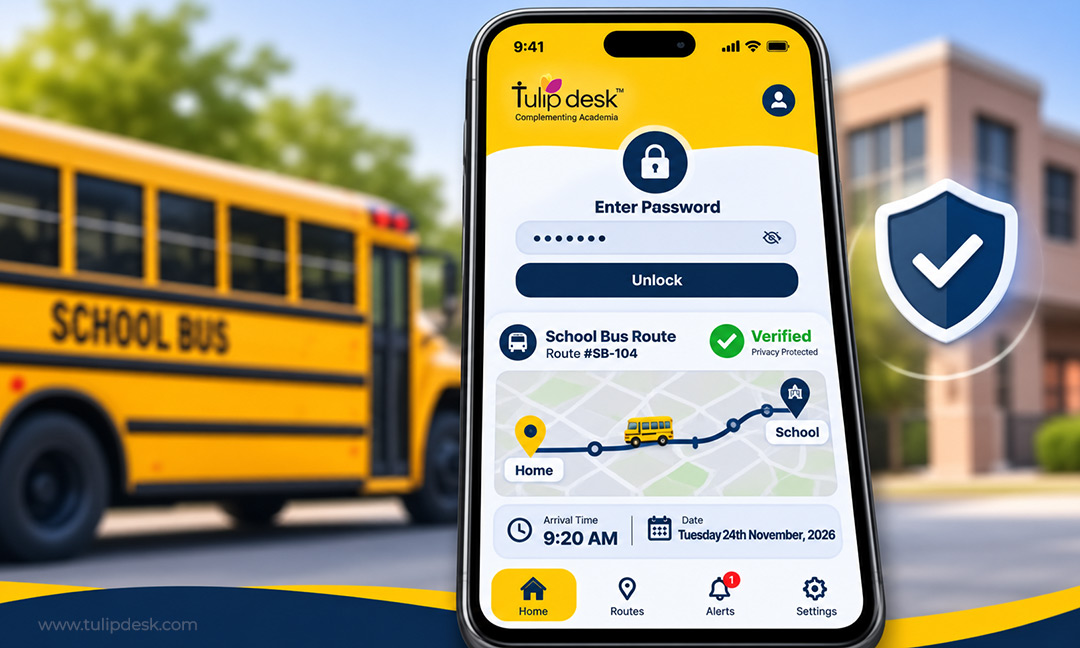
Although operating a fleet of school buses might not seem like a security risk, it frequently is for many day and boarding schools in India. Transport coordinators plan hundreds of routes to convey thousands of kids every morning and afternoon. Many schools use informal third-party apps that broadcast live GPS connections or conventional tracking installations to notify parents. The problem? Sensitive minor location data is exposed when unencrypted tracking URLs are sent over open parent-teacher WhatsApp groups or unprotected public platforms. Schools in India are no longer able to consider school bus tracking data privacy as an afterthought, according to the Digital Personal Data Protection (DPDP) Act.
The Hidden Vulnerability of Open GPS Links
To be honest, it seems convenient to share a raw, open URL that anyone can click to check a live bus location. Parents love checking the bus’s whereabouts. However, this convenience jeopardizes student safety and compliance.
Public Exposure of Minor Locations:
Anybody having access to a broad, unauthenticated GPS link can monitor the movement of an automobile transporting children in real time.
Zero Access Control:
Conventional online tracking links do not confirm the identity of the viewer. Strangers can obtain a child’s daily transit patterns if a link is transmitted or leaked outside of the close family circle.
The DPDP Act Collision:
Minor data, including real-time location telemetry, must be closely protected against illegal surveillance, profiling, or exposure in accordance with stringent [DPDP school transport compliance] regulations.
Why Boarding Schools Face Unique Transport Challenges
The operational burden of boarding institutions is significantly greater. Parents completely depend on the institution to guarantee complete safety for long-distance travel, airport transfers, or local excursions when their children are dropped off for weeks or months at a time.
Schools lose control over who has access to vehicle feeds when transport telemetry is managed via fragmented tools or old systems. Adopting authenticated, session-locked channels—which only permit verified parents to observe active routes—instead of open links is necessary to ensure appropriate Transport Management System security.
Locking Down Telemetry: The Secure Enterprise Approach
The transition to a safe, legal transportation model does not sacrifice convenience for parents. In practice, stringent architectural controls in contemporary enterprise solutions like TulipDesk close the gap between safety and transparency:
Session-Authenticated Access:
Live GPS feeds are integrated directly into secure parent portal sessions that require authenticated logins, rather than open URLs.
Dynamic Route Shielding:
During active trip windows, live telemetry is only available to parents whose children are physically assigned to that particular bus route.
Complete Audit Readiness:
Robust role-based access control frameworks monitor each access request, view session, and monitoring ping, ensuring complete responsibility during audits.
Conclusion
Protecting your students begins as soon as they board the school bus and extends beyond the boundaries of the classroom. Indian day and boarding schools can preserve minor privacy, adhere to the DPDP Act’s legal restrictions, and provide parents with true peace of mind by substituting secure, session-authenticated live telemetry for loose, unencrypted tracking links.